

Can’t Find Good Pedicure for Diabetic Feet in Fayetteville GA? A Step-by-Step Guide to Safe Care
Can’t Find Good Pedicure for Diabetic Feet in Fayetteville GA? A Step-by-Step Guide to Safe Care
Don't compromise your health. Discover how to get safe, professional, and health-conscious foot care for people with diabetes.
Start Your Journey to Safe Foot CareIntroduction: The Critical Need for Specialized Diabetic Foot Care
For individuals managing diabetes, every aspect of personal care demands heightened awareness, and foot care is no exception – in fact, it’s paramount. The delicate balance of blood sugar levels can significantly impact nerve function and circulation, making feet particularly vulnerable to complications. In communities like Fayetteville, GA, where access to specialized services can sometimes be limited or difficult to identify, finding a safe and knowledgeable provider for a specialized pedicure for diabetic feet in Fayetteville GA is not just about aesthetics; it's about preventing life-altering health crises.
This guide is crafted to empower you with the knowledge and resources needed to navigate the world of diabetic foot care, ensuring your feet receive the attention they deserve without compromising your health. We'll demystify the risks of conventional pedicures, illuminate what to look for in a professional service, and even provide detailed instructions for safe at-home maintenance.
A Startling Statistic and Heartbreaking Realities
According to the CDC (Centers for Disease Control and Prevention), diabetes-related nerve damage and poor blood flow can increase the risk that a foot wound becomes infected or does not heal well. This alarming statistic underscores the critical importance of meticulous foot care. Salon services are not a substitute for care from a licensed medical professional, especially when skin is broken or foot symptoms are present.
This gap in knowledge and specialized services leaves many diabetic clients in a vulnerable position. Over my years as a foot care specialist, I've had countless conversations with diabetic clients whose experiences range from frustrating to genuinely terrifying. Their stories are a stark reminder of the dangers lurking in seemingly innocuous salon visits:
- "The technician aggressively cut my callus. I didn’t feel a thing due to my neuropathy. Three days later, my foot was swollen, red, and hot. I ended up spending a week in the hospital with a severe infection."
- "I specifically asked if they had experience with diabetic clients, and they assured me they did. Yet, they proceeded to soak my feet in a communal tub – a major no-no, as it softens the skin excessively, making it prone to tears, and can hide small cuts."
- "After several bad experiences, I’ve completely given up on getting pedicures. My feet are rough and prone to issues, but the fear of another infection is just too great. I feel like I have no safe options left."

If these experiences resonate with you, and you're struggling to find a safe and reliable pedicure in Fayetteville, GA, please know that you are far from alone. But more importantly, you don't have to surrender to these fears or neglect your foot health. This comprehensive guide is designed to provide you with the exact steps to either locate professional, safe diabetic foot care or empower you to manage your feet meticulously at home.
The Story of a Local Diabetic Client: "I Almost Lost a Toe"

Let me share a story that profoundly illustrates the risks we're discussing. Meet Robert, a 62-year-old retired history teacher who resides just a stone's throw from Piedmont Fayette Hospital. Robert has bravely navigated type 2 diabetes for 15 years, a journey that has unfortunately led to peripheral neuropathy in his feet. This condition means he can't feel minor cuts, abrasions, or even drastic temperature changes – a silent danger.
Last year, seeking a routine pedicure, Robert visited a conventional nail salon situated on Highway 85. The technician, unaware or untrained in the specific needs of diabetic feet, used a metal file to address his calluses. In the absence of sensation, Robert didn't register a small, accidental cut that occurred during the process.
Just two days later, Robert's big toe was alarmingly red, swollen, and hot to the touch. His astute wife immediately recognized the signs of infection and rushed him to Piedmont Fayette Hospital. The emergency room physician delivered a chilling diagnosis: cellulitis, a serious bacterial skin infection. The doctor sternly informed them that Robert was mere 48 hours away from a critical infection that could have necessitated amputation of his toe, or even part of his foot.
Robert's recovery was thankfully successful, but the experience left an indelible mark. He now diligently sees a podiatrist for all his foot care needs. His fervent wish is that he had known earlier that typical nail salons, despite their good intentions, are simply not equipped to provide safe care for diabetic individuals. Robert’s near-tragedy is not an isolated incident, and it is precisely why this guide exists – to arm you with knowledge and prevent similar heartbreaking outcomes.
Your Step-by-Step Guide to Safe Diabetic Foot Care
Step 1: Understand Why Regular Pedicures Are Inherently Risky for Diabetics
Before we discuss solutions, it's crucial to grasp the underlying physiological reasons why diabetic feet require a different approach. The risks aren't minor inconveniences; they are direct threats to limb preservation and overall health.
1. Reduced Sensation (Neuropathy)
Diabetic neuropathy causes nerve damage, diminishing your ability to feel pain, temperature changes, or pressure. This means a technician could inadvertently cause a small cut, a burn from hot water, or excessive pressure, and you wouldn't feel it until it's too late. A minor wound can quickly escalate into a serious infection before you're even aware it exists.
2. Poor Circulation (Peripheral Artery Disease)
Diabetes often impairs blood flow to the extremities, particularly the feet. This means that if a wound does occur, it receives less oxygen and fewer infection-fighting cells, leading to extremely slow healing. What might be a trivial scratch for a non-diabetic can become a chronic, non-healing ulcer for a diabetic, significantly increasing infection risk.
3. Heightened Infection Risk & Weakened Immune System
Elevated blood sugar levels can weaken your immune system's ability to fight off bacteria and fungi. This creates an environment where infections can take hold rapidly and spread aggressively. A common salon environment, even with standard sterilization, poses a higher threat for diabetics due to shared tools and water basins potentially harboring microbes.
What Regular Salons Do That's Dangerous for Diabetics:
- Soaking Feet in Water: Prolonged soaking softens the skin, making it more fragile and susceptible to tears. It also makes small cuts less visible and can spread bacteria from communal tubs, even if liners are used.
- Using Metal Files or Rasps: These tools are often too aggressive for delicate diabetic skin. They can easily cause micro-tears or even deeper cuts that go unnoticed due to neuropathy.
- Cutting Cuticles: Cuticles serve as a natural barrier against infection. Cutting them creates an open wound, an easy entry point for bacteria and fungi.
- Reusing Tools (Even if "Sterilized"): While many salons claim to sterilize tools, the level of sterilization often falls short of medical-grade standards. For diabetics, even a tiny oversight can have severe consequences. True medical pedicures use single-use, disposable, or autoclave-sterilized instruments.
- Chemical Callus Removers: These strong chemicals can burn diabetic skin, which may not be felt due to neuropathy, leading to severe chemical burns and open wounds.
What you truly need instead is a medical pedicure (often called a "medi-pedi" or specialized diabetic foot care) performed by a certified foot care nurse, a podiatrist, or a technician specifically trained and certified in diabetic foot protocols. This isn't a luxury; it's a vital preventative health measure.
Step 2: Find a Certified Medical Pedicure Provider in Fayetteville GA
Knowing the risks is the first step; the next is finding a safe alternative. Thankfully, options exist for professional diabetic foot care services in and around Fayetteville, GA.
Option A – Podiatrist (Foot Doctor)
Podiatrists are medical doctors specializing in foot and ankle care. They are the gold standard for diabetic foot care. They can safely trim nails, remove problematic calluses, treat ingrown nails, fungal infections, and address any existing foot problems. They exclusively use sterile, surgical-grade tools and prioritize your health above all else.
The Downside:
- It's a medical appointment, not a spa experience. Expect functionality over pampering.
- Typically no foot massage, no decorative polish (or very basic).
Cost: $75-150 per visit. Crucially, if you have a diabetes diagnosis, many insurance plans will cover routine podiatrist visits for foot care, deeming it medically necessary.
Where to find podiatrists near Fayetteville, GA:
- Piedmont Fayette Hospital: Often has a dedicated podiatry department or can provide referrals.
- Private Podiatry Clinics: Search "podiatrist Fayetteville GA" or "diabetic foot care 30214." When calling, specifically ask, "Do you offer routine diabetic nail and callus care?"
Option B – Medical Pedicure Specialist (Trained Nurse or Certified Technician)
Some specialized salons, medical spas, or wellness clinics now offer "medical pedicures." These are performed by professionals – often registered nurses (RNs), licensed practical nurses (LPNs), or estheticians who have completed specific, rigorous training and certification in diabetic foot care (e.g., advanced foot care nurse certification). They understand the unique physiology of diabetic feet.
Key Characteristics:
- They use single-use, sterile, or medically autoclaved tools.
- They avoid soaking feet, opting for sanitizing sprays or wipes.
- They do not cut live skin, only gently pushing cuticles back.
- Their focus is on preventative care and hygiene, often in a more aesthetically pleasing environment than a doctor's office.
What to ask when calling:
- "Do you have a certified medical pedicure specialist on staff?"
- "What specific training or certifications do they hold in diabetic foot care?" (Look for "Certified Advanced Foot Care Nurse" or similar.)
- "Do you use single-use, sterile (autoclaved) tools for each diabetic client?"
- "Do you explicitly avoid soaking feet for diabetic clients?"
For those seeking a blend of medical safety and a comforting environment, exploring establishments like Chan Bay Nail Spa or similar reputable wellness centers that explicitly advertise certified diabetic foot care specialists is a wise choice.
Option C – Home Care (If You Can’t Find a Provider or Prefer to Stay Home)
If, after diligent searching, you genuinely cannot find a suitable provider for a safe pedicure solutions in Fayetteville GA, or if personal circumstances dictate home care, it is possible – but it demands extreme caution and adherence to specific protocols. This should be considered a last resort for ongoing care, and professional evaluation is always recommended if possible. We'll delve into detailed home care instructions in Step 5.
Step 3: What to Expect at a Safe Diabetic Pedicure Appointment
A proper diabetic medical pedicure is fundamentally different from a conventional salon experience. Understanding these differences will help you set appropriate expectations and recognize legitimate safe practices.
| Feature | Regular Pedicure (Risky for Diabetics) | Diabetic Medical Pedicure (Safe) |
|---|---|---|
| Foot Soaking | Typically a long soak in warm, often communal, water. | No soaking. Feet are cleaned with antiseptic sprays or wipes to prevent skin softening and bacterial spread. |
| Callus Removal | Aggressive metal files, rasps, or even razor blades. | Sterile, single-use, fine-grit files or gentle electronic drills. Focus on smoothing, not aggressive removal. |
| Cuticle Care | Cutting of cuticles. | Push cuticles only; no cutting. Cuticles are a natural protective barrier. |
| Moisturizing & Massage | Extensive massage with various lotions, sometimes between toes. | Careful moisturizing (avoiding between toes to prevent fungus). Gentle massage focused on circulation, if appropriate. |
| Nail Polish | Standard or gel polish application. | Polish is optional. Some doctors advise against it to monitor nail color (a sign of circulation/infection). If applied, it's done carefully. |
| Duration & Focus | 30-60 minutes, focused on relaxation and aesthetics. | 30-45 minutes, intensely focused on safety, inspection, and preventative care. |
The overarching goal of a diabetic medical pedicure is to prevent wounds and detect early signs of complications, not to create a luxurious spa experience. While comfort is considered, safety is always the paramount concern.
Step 4: How to Vet a Salon or Clinic in Fayetteville GA for Diabetic Foot Care
Finding a reputable provider requires active questioning. Don't be shy – your health depends on it. Call ahead and ask these exact questions. If they hesitate or give vague answers, it's a clear signal to look elsewhere.
-
"Do you have a medical pedicure specialist on staff who is specifically trained and certified in diabetic foot care?"
Why this matters: This is the most crucial question. If they respond with "all our techs can do it," that's a significant red flag. Diabetes requires specialized training beyond standard cosmetology licenses. Ask about specific certifications (e.g., advanced foot care nurse, medical nail technician).
-
"Do you use single-use, sterile (autoclaved) tools for each diabetic client?"
Why this matters: "Sterilized" in a typical salon might mean soaking tools in Barbicide, which is disinfectant, not true sterilization. Medical-grade sterilization uses an autoclave (heat and pressure) or relies on single-use disposable tools. "Yes" is the only acceptable answer here.
-
"Do you explicitly avoid soaking feet for diabetic clients?"
Why this matters: As discussed, soaking softens skin, can hide cuts, and increases infection risk. A genuine diabetic foot care provider will use dry methods or quick, antiseptic wipes. Answering anything other than a firm "Yes, we do not soak diabetic feet" is a deal-breaker.
-
"Can I see your sterilization equipment before my appointment?"
Why this matters: A transparent and competent provider will have nothing to hide and will be happy to show you their autoclave or packaging for single-use tools. This builds trust and verifies their claims.
Recommended Areas to Look in Fayetteville, GA:
- Near Piedmont Fayette Hospital: Many medical-centric services cluster around major hospitals. You may find several podiatrists or medical pedicure providers who frequently serve patients discharged from the hospital or referred by doctors.
- Private Podiatry Clinics: A direct search for "podiatrist Fayetteville GA" will yield results. Don't just assume they do nail care; call and confirm their services for diabetic patients.
- Specialized Wellness Centers or High-End Salons near Trilith: Some upscale establishments are investing in advanced training and equipment. It's worth calling these, but be extremely rigorous with your questions about specific certifications for diabetic care. Look for salons that proudly advertise "medical pedicures" or "diabetic foot care specialists."
Step 5: Safe At-Home Diabetic Foot Care (If Professional Care Isn't an Option)
If, despite your best efforts, you genuinely cannot find a good professional pedicure for diabetic feet in Fayetteville, GA, or if your budget restricts frequent visits, meticulous home care becomes paramount. This requires diligence, the right tools, and an unwavering commitment to safety.
Essential Tools for Safe At-Home Diabetic Foot Care:
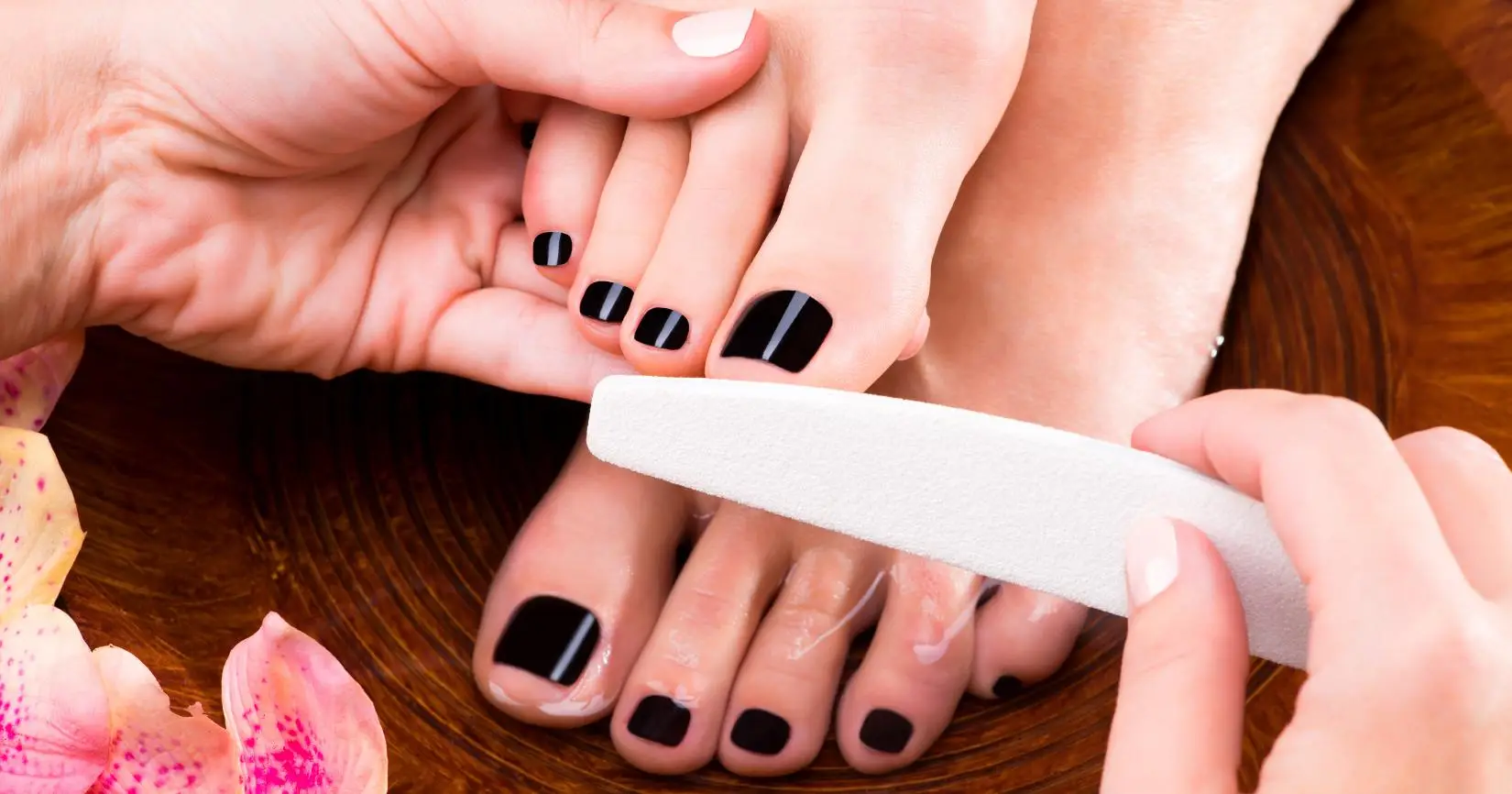
- Diabetic Foot File: Opt for a gentle, fine-grit file, often made of emery paper or specifically designed soft materials. Absolutely no metal rasps, pumice stones with coarse textures, or blades.
- Nail Clippers with a Straight Edge: Crucial for preventing ingrown toenails. Ensure they are sharp and clean.
- Magnifying Mirror: An indispensable tool for daily inspection, especially for the bottoms of your feet and hard-to-see areas.
- Lotion Designed for Diabetic Skin: Look for products that are fragrance-free, alcohol-free, and specifically formulated to provide deep hydration without irritation. Petroleum jelly or thick creams are good options.
- Soft Towel: For gentle drying.
Your Step-by-Step Daily & Weekly Home Care Routine:
- Inspect Your Feet Daily: Make this a non-negotiable habit. Look for any cuts, blisters, redness, swelling, bruises, sores, or changes in skin or nail color. Use your magnifying mirror to examine the soles, heels, and between your toes. Early detection is key to preventing severe complications.
- Wash Feet Daily: Use lukewarm (not hot!) water and a mild soap. Always test the water temperature with your elbow or a thermometer (37°C/98°F is ideal) – never with your feet if you have neuropathy, as you won't feel burns.
- Dry Thoroughly: Pat your feet dry gently with a soft towel. Pay extra attention to drying completely between your toes. Moisture trapped here creates an ideal breeding ground for fungal infections.
- Moisturize Regularly: Apply a diabetic-safe lotion to the tops and bottoms of your feet. However, NEVER apply lotion between your toes, as this can trap moisture and promote fungal growth.
- File Calluses Gently (Weekly/Bi-weekly): Using only your diabetic-safe file, gently smooth down calluses. Work slowly and carefully, removing only the dead skin. Never attempt to "cut" or aggressively scrape calluses, as this can easily create wounds.
- Trim Nails Straight Across (Every 2-4 Weeks): Use clean, straight-edge clippers. Cut your toenails straight across, not curved at the corners. This prevents painful and dangerous ingrown toenails. After clipping, gently file any sharp edges smooth.
What NOT to Do at Home (Critical Warnings):
- Don’t use chemical callus removers: These can cause severe chemical burns that you might not feel due to neuropathy.
- Don’t cut your cuticles: Ever. This is a direct pathway for infection.
- Don’t soak your feet for more than 5 minutes: Even at home, prolonged soaking makes skin too soft and vulnerable.
- Don’t use sharp objects: Scissors, razor blades, or non-diabetic metal tools for trimming nails or calluses are extremely dangerous.
- Don’t try to remove ingrown toenails yourself: This requires professional medical attention.
When to See a Podiatrist IMMEDIATELY, even if doing home care:
- You notice thick, discolored, or ingrown toenails that are difficult to manage.
- You discover any open sores, blisters, cracks, or unexplained redness/swelling.
- You cannot see or reach your feet adequately to perform thorough care.
- You have a history of previous foot ulcers, infections, or amputations.
- Any changes in sensation, foot shape, or skin temperature.
Applying This Guide to Your Specific Situation
Diabetic foot care isn't one-size-fits-all. Your specific condition dictates the level of caution and type of care you need.
If you have diabetes with NO neuropathy (you can feel your feet):
You still need to be exceptionally careful. While you might feel a cut, your slower healing and increased infection risk remain. A certified medical pedicure provider is still the safest option. While it might be tempting to visit a regular salon if you bring your own sterilized tools and meticulously instruct them not to cut cuticles, use metal files, or soak your feet, I strongly advise against it. The risk of cross-contamination or an accidental slip is simply too high, and the staff is unlikely to have adequate emergency training.
If you have diabetes WITH neuropathy (loss of sensation):
Do not go to regular salons. Period. This is a non-negotiable safety rule.
Your inability to feel pain makes you incredibly vulnerable to unnoticed injuries that can rapidly escalate. Only seek care from a podiatrist or a fully certified medical pedicure specialist. Your life, your mobility, and your limbs are unequivocally worth the extra cost and effort to ensure this level of safety.
If you are a caregiver for a diabetic parent or spouse:
Your role is vital. Accompany them to appointments and actively engage with the provider, asking all the vetting questions outlined in Step 4. Crucially, assist with or perform daily foot inspections at home. Never assume a salon knows what they're doing; always verify and advocate for your loved one's safety.
Estimated Cost for Diabetic Foot Care in Fayetteville GA
Understanding the financial aspect is important for planning your ongoing foot health strategy.
| Service Type | Cost Range (Per Visit) | Insurance Coverage |
|---|---|---|
| Podiatrist Visit (nail trim, callus removal, medical assessment) | $75 - $150 | Often covered (with diabetes diagnosis and referral as medically necessary). Check your plan. |
| Medical Pedicure (by trained nurse/certified tech) | $70 - $100 | Rarely covered by medical insurance, usually considered cosmetic/wellness. (HSA/FSA eligible in some cases). |
| At-Home Care Tool Kit (one-time purchase) | $30 - $50 | Not covered. |
| Regular Salon Pedicure (Unsafe for Diabetics) | $35 - $60 | Not covered, plus the inherent risks involved. |
My Recommendation: If you have health insurance, prioritize regular visits (every 6-8 weeks) to a podiatrist. This is often the most cost-effective and safest option long-term due to potential insurance coverage and medical expertise. If insurance coverage isn't an option, seek out a certified medical pedicure specialist. If both are financially prohibitive, commit to meticulous at-home care as detailed in Step 5, but continue to seek professional help for any concerns. The cost of prevention is always significantly less than the cost of treating complications.
Frequently Asked Questions About Diabetic Pedicures in Fayetteville GA
Q: Can a diabetic ever get a regular pedicure at a normal salon?
A: The overwhelming consensus from medical associations, podiatrists, and foot care specialists is a resounding no. The inherent risks of infection, unnoticed injury due to neuropathy, and improper tool sterilization are simply too high. Even a seemingly minor cut can lead to severe, limb-threatening complications requiring hospitalization or even amputation for a diabetic individual. It’s a risk that is never worth taking.
Q: What about gel or regular polish for diabetics?
A: This is a point of discussion among medical professionals. Some podiatrists advise against polish altogether because it can hide important visual cues like discoloration, which can be an early sign of infection, poor circulation, or fungal growth under the nail. Others believe it's acceptable if the polish is removed weekly to allow for thorough inspection of the nail bed and surrounding skin. The best approach is to discuss this directly with your podiatrist or medical foot care specialist, who can provide personalized advice based on your specific health status.
Q: Is there a diabetic-friendly salon near Piedmont Fayette Hospital?
A: Yes, you are likely to find several medical pedicure providers or podiatry clinics in close proximity to Piedmont Fayette Hospital. This area is often a hub for specialized medical services. A good starting point would be to call the hospital's podiatry department directly and ask for their recommended list of external medical pedicure specialists or podiatrists in the 30214 area who are experienced with diabetic patients. Local Chan Bay Nail Spa or similar specialized centers are also likely to be found in such areas.
Q: Can I use a pumice stone on diabetic feet?
A: Generally, gentle use of a soft, fine-grit pumice stone or diabetic foot file might be acceptable for very mild calluses, but only with extreme caution and if you have good sensation in your feet. However, it's safer to use a diabetic-specific file. Never use a pumice stone if you have neuropathy, poor circulation, or any existing skin breakdown. Always use your own personal pumice stone, never share it, and replace it every few months for hygiene. Stop immediately if you see any redness, irritation, or bleeding.
Q: How often should a diabetic get a medical pedicure or see a podiatrist?
A: The frequency depends on individual needs, including how quickly your nails grow, the rate of callus buildup, and your overall foot health. Typically, visits every 4-8 weeks are recommended. Your podiatrist or medical pedicure specialist will assess your feet and advise on the optimal schedule to maintain their health and prevent complications.
Need a Specific Recommendation for a Diabetic-Friendly Pedicure Provider in Fayetteville GA?
If you've diligently searched for "diabetic pedicure Fayetteville GA" and still feel overwhelmed or unsure, I'm here to help bridge that gap. I've personally compiled a list of reputable podiatrists and certified medical pedicure specialists within the 30214 area, focusing on those with a proven commitment to diabetic foot safety.
To receive a personalized recommendation, please send me a message with the following details:
- Whether you have neuropathy (loss of sensation) or not.
- Your insurance status (if you require podiatrist recommendations for coverage).
- Your estimated budget per visit for foot care.
I'll then reply with 2-3 specific providers near you, tailored to your needs. These are not sponsored listings, but honest, life-saving advice based on research and expertise.
Get Your Personalized Recommendation NowEditorial & Safety Note
This article is provided for general education and service-selection purposes. It is not medical advice, a diagnosis, or an official salon inspection report.
Salon hours, prices, staff, and sanitation practices can change. Please verify current details directly and review the Georgia State Board of Cosmetology and Barbers facility rules before choosing a service.
If you have diabetes, poor circulation, broken skin, redness, swelling, drainage, or persistent pain, consult a licensed healthcare professional before receiving a salon service. See the CDC foot-care guidance for people with diabetes.
Reviewed by: Chan & Bay Nail Spa Editorial Team. Information checked September 2026.