
Pedicure Didn’t Last Long Fayetteville GA – What Nail Salon Owners Get Wrong (And How to Fix It)
Pedicure Didn’t Last Long Fayetteville GA – What Nail Salon Owners Get Wrong (And How to Fix It)
Transform your nail salon's reputation by mastering the art of the long-lasting pedicure. Discover the secrets to client loyalty and booming business.
Get Your Fix NowA Customer’s Confession That Every Salon Owner Should Hear
“I’m done,” a client told me last month. “I’ve tried four different salons in Fayetteville GA. Every time, my gel pedicure chips or peels within 5 days. I’m not paying $50 for a week of pretty toes.”
Imagine Sarah, a successful real estate agent in Fayetteville, always on her feet, showing homes, networking. Her hands are often busy, but her feet? They're her secret weapon of confidence. A chipped pedicure isn't just an aesthetic inconvenience; it's a nagging worry that chips away at her professional image. This wasn't a picky customer. She’s a busy professional who wears closed-toe shoes most days. She wasn’t doing anything wrong. The salons were.
I hear this confession at least twice a week. Customers think they’re unlucky, or that their nails are just "weird." But the painful truth is, the problem is almost always on the salon side – either the products, the technique, or a combination of both. The frustration isn't just about wasted money; it's about wasted time, the inconvenience of needing a fix, and the letdown of a promised indulgence that falls short.
If you own a nail salon in Fayetteville GA and your clients are saying “my pedicure didn’t last long,” this article is for you. I’ll walk you through the most common mistakes and exactly how to fix them. No fluff. Just practical, actionable steps that will turn frustrated one-time clients into loyal, raving regulars.
The Painful Reality – Why Many Fayetteville GA Salons Lose Repeat Customers
I’ve consulted for over a dozen nail salons in the Atlanta metro area, including several in Fayetteville, Peachtree City, and Newnan. The most common complaint I hear from owners is:
“We have great reviews, but people don’t come back regularly. They try us once and then disappear.”
When I dig deeper, I almost always find the same silent issue: the pedicure doesn’t last long enough. Clients don’t complain directly to the owner – they just quietly leave, try another salon, and eventually, their business is lost forever. This silent exodus is far more damaging than an upfront complaint, as it leaves salon owners unaware of the underlying problem.
The True Cost of Short-Lasting Pedicures:
- Lost Revenue: If your average client comes 4 times a year instead of 8 (the industry average for loyal clients), you’ve lost 50% of their potential annual revenue. For a salon with 100 active clients and an average $50 pedicure, that's $20,000 in lost revenue per year ($50 x 4 lost visits x 100 clients).
- Damaged Reputation: While clients might not leave a negative review, the lack of repeat business signals a problem. In the age of online reviews, a client's positive experience (or lack thereof) directly impacts your salon's overall rating and ability to attract new customers.
- Increased Marketing Spend: If you're constantly trying to acquire new clients to replace those who don't return, you're spending more on marketing and advertising than necessary. Retaining existing clients is always more cost-effective.
Top-tier salons often boast a 70-80% repeat customer rate. If yours is significantly lower, short-lasting pedicures could be the silent killer chipping away at your bottom line and your dream of a thriving business.
What Does “Long-Lasting” Mean to Customers? Understanding the Benchmark
Before you can fix a problem, you need to understand the benchmark. What do clients *actually* expect when they pay for a pedicure? These are the industry standards and customer expectations:
- Regular Polish Pedicure: Should last 7-10 days without major chipping or tip wear. Toes generally get less daily friction and chemical exposure than fingers (often protected by shoes), so polish should theoretically adhere better and last longer than a manicure.
- Gel Polish Pedicure: This is where expectations are highest. Gel should comfortably last 2-3 weeks (14-21 days). By week 3, some natural nail growth at the cuticle is normal, but the polish itself shouldn’t peel, lift from the edges, or chip extensively. It should still look vibrant and intact.
- Dip Powder Pedicure: While less common for toes, dip powder should last 3-4 weeks due to its inherent durability.
If your clients are experiencing less than these benchmarks – whether it's chips at the free edge on day 4 or the entire layer peeling off like a sticker after a week – something is fundamentally wrong in your process. Clients aren't necessarily expecting a miracle, but they *are* expecting value for their money, and a 2-3 week gel pedicure is the gold standard for a reason.
3 Deadly Mistakes That Kill Pedicure Longevity (And How to Fix Them)
Mistake #1 – Skipping Proper Nail Preparation
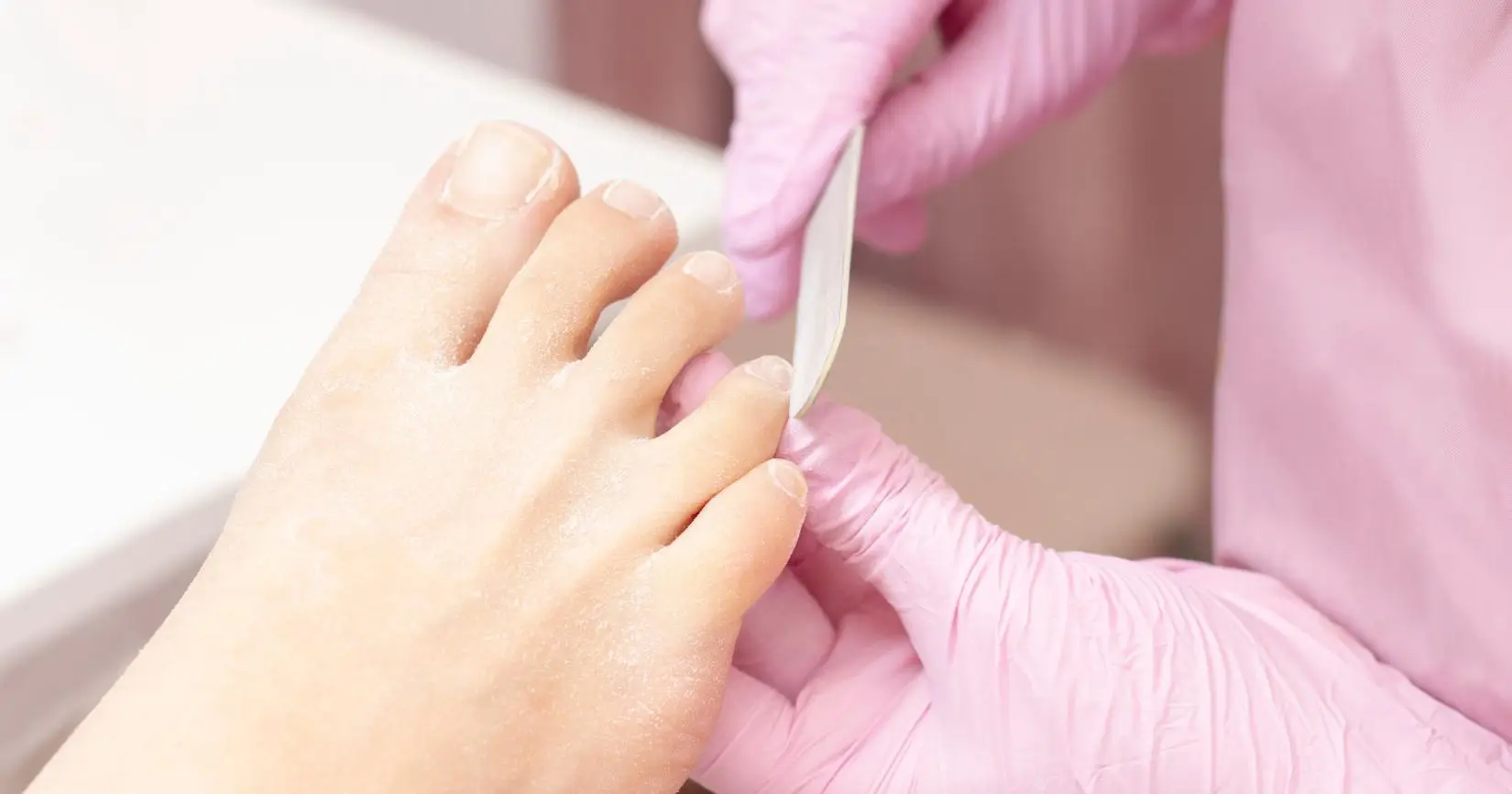
This is by far the #1 culprit. Many technicians, especially when under time pressure or paid by commission, rush through the crucial prep steps. They might feel like minor details, but they are the foundation of a lasting pedicure.
What Should Happen (The Right Way):
- Thorough Dehydration: The nail plate must be completely dehydrated with acetone or a professional nail dehydrator. This removes all natural oils, lotions, and moisture, creating a clean, slightly porous surface for optimal adhesion. Think of it like priming a wall before painting – you wouldn't paint over a greasy, dusty wall, right?
- Gentle Buffing: If needed, gently buff the surface (just enough to remove shine, not to thin or damage the nail plate). This further aids mechanical adhesion.
- Primer/Bonder Application: Apply a high-quality primer or bonder (especially for gel systems). This acts as a double-sided adhesive, creating a strong bond between the natural nail and the base coat.
What Actually Happens in Many Salons (The Wrong Way):
- Technician soaks the feet, pushes back cuticles, then immediately applies polish without properly dehydrating.
- A quick wipe with alcohol (which doesn't always dehydrate effectively) is sometimes seen as sufficient.
- No primer is used, or a very cheap, ineffective one.
- Result: The polish adheres to oily or moist nails and peels within days, as there's no strong bond.
The Fix: No Shortcuts on Prep
Train your staff to spend at least 5 minutes on prep alone. No shortcuts. Invest in and mandate the use of a quality dehydrator and primer from reputable brands (CND ScrubFresh, Young Nails Protein Bond, or IBD Dehydrate/Bond It). Emphasize that proper prep isn't just a step; it's the most critical factor for longevity. Consider a "prep-only" station where nails are perfectly prepped before moving to the color application.
Mistake #2 – Using Cheap or Old Gel Polish
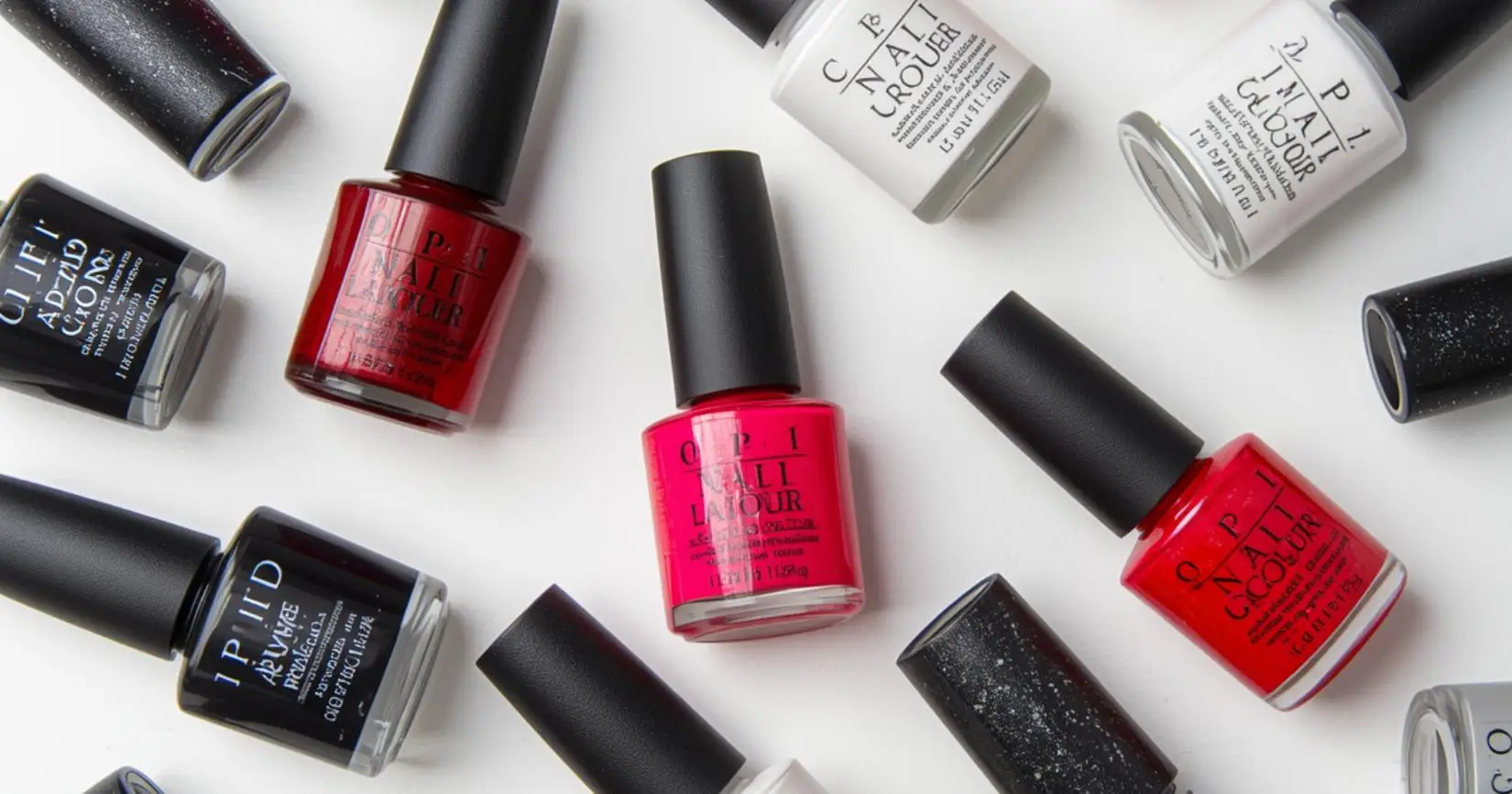
Not all gel polishes are created equal. The market is flooded with products, but quality varies wildly. Cheap brands from online marketplaces or generic beauty supply stores often have poor adhesion properties, inconsistent pigmentation, and unreliable curing. Even good brands have a shelf life – gel polish that’s been open for 6+ months can become thick, stringy, less sticky, and difficult to cure properly due to solvent evaporation and degradation of photoinitiators.
What Should Happen (The Right Way):
- Professional Brands: Use professional, salon-grade brands known for quality and consistency, such as CND Shellac, OPI GelColor, Gelish, Light Elegance, or Young Nails. These brands invest heavily in R&D to ensure optimal adhesion, wear, and safety.
- Timely Replacement: Replace opened bottles every 6-12 months, depending on usage. Write the opening date on the bottle with a permanent marker.
What Actually Happens (The Wrong Way):
- Some salons buy bulk generic gel to save money, often from unregulated sources.
- Gel bottles are kept until they are completely empty, regardless of how old or thick the product has become.
- Result: The polish might look fine immediately after application, but clients notice when it chips, peels, or fades in 4-7 days.
The Fix: Invest in Quality, Track Shelf Life
Switch to reputable, professional brands. The perceived cost difference is small compared to the cost of losing clients. You can even raise your prices by $3-5 if needed – clients *will* pay for guaranteed longevity and a truly satisfying pedicure experience in Fayetteville GA. Implement a system to log when each bottle was opened and strictly discard products after 6 months or if they show signs of thickening or separation.
Mistake #3 – Incorrect Curing (Too Short or Wrong Lamp)
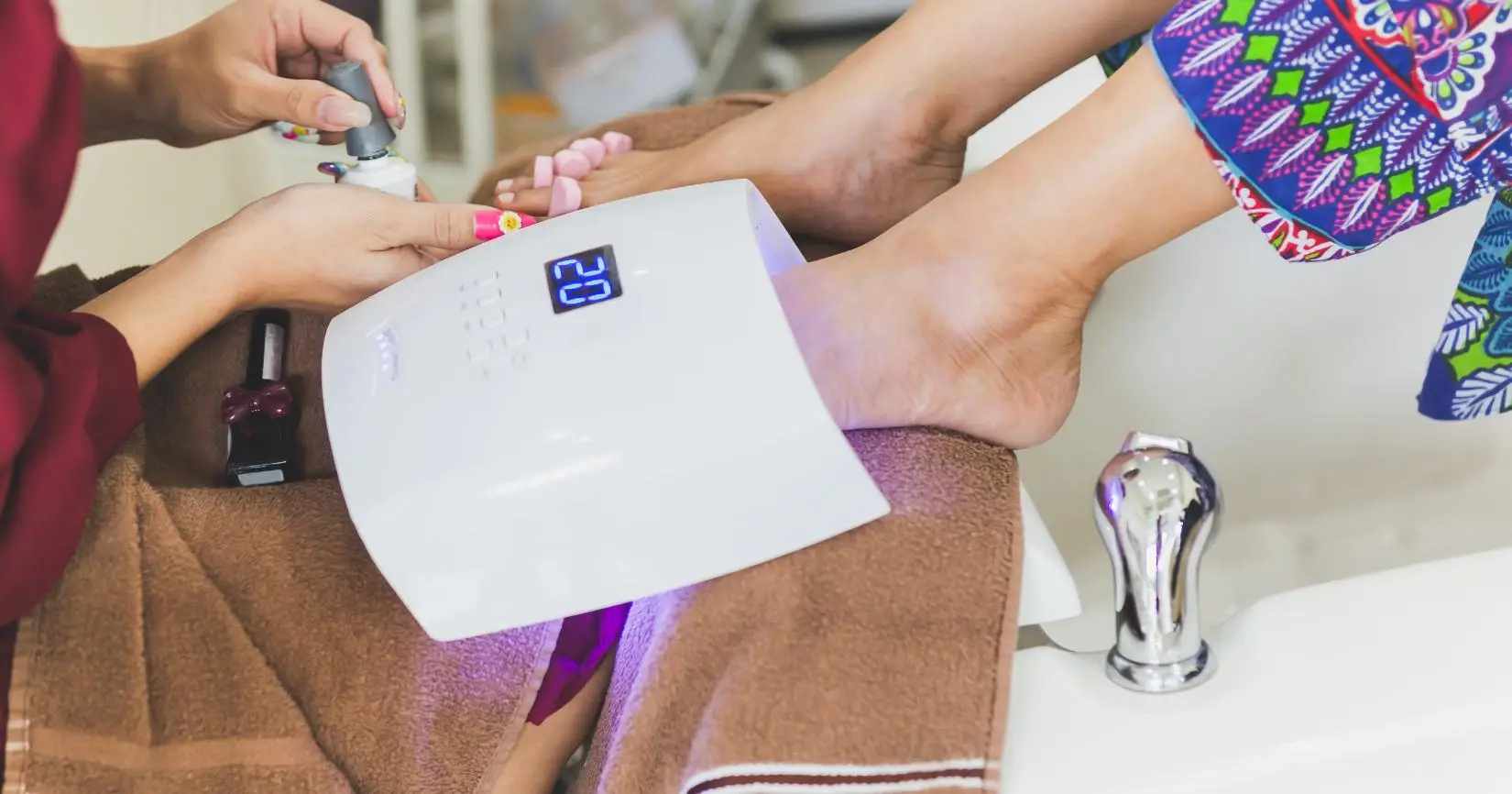
Gel polish isn't just "paint" – it's a polymer that undergoes a chemical reaction (curing) when exposed to specific UV or LED light wavelengths. If the lamp is old, weak, incompatible with the polish brand, or the cure time is too short, under-curing happens. The gel might look dry, but it hasn’t fully hardened and bonded, leading to premature peeling, lifting, and dullness.
What Should Happen (The Right Way):
- Matched Lamps: Use a UV/LED lamp that is specifically designed and recommended by your gel polish brand (same brand is best). Different brands use different photoinitiators requiring specific wavelengths.
- Correct Cure Time: Cure for the *exact* recommended time (usually 30-60 seconds for LED, 2 minutes for UV, per coat). Never guess or shorten.
- Regular Maintenance: Replace UV bulbs every 6-12 months (they degrade even if still lighting). LED lamps last longer, but their diodes can weaken over time.
- Proper Hand/Foot Placement: Ensure clients place their feet correctly in the lamp, ensuring all toes receive adequate light exposure.
What Actually Happens (The Wrong Way):
- Salons use a generic "one-size-fits-all" lamp for all gel brands.
- Technicians shorten cure time by 10-15 seconds per client to save a few minutes a day.
- Lamps are used for years without bulb replacement or checking diode strength.
- Result: Gel looks dry but remains flexible and soft underneath, leading to easy peeling, chipping, and sometimes even allergic reactions due to uncured product.
The Fix: Quality Lamps, Strict Timing
Invest in high-quality lamps (CND, OPI, or Gelish-branded lamps). Use a radiometer (UV/LED meter, ~$30 on Amazon) to test your lamp's output monthly. If it's below the recommended level for your gel brand, replace bulbs or the entire lamp. Crucially, train staff to *never* rush the cure time. A few extra seconds per client is a small price to pay for a lasting, quality service.
Step-by-Step Solution – How to Make Pedicures Last 2-3 Weeks
Implementing these fixes requires a systematic approach. Follow these steps to transform your pedicure service and build unwavering client loyalty.
Step 1 & 2 – Audit and Retrain Your Technicians

You can’t fix what you don’t understand. Hold a focused 2-hour training session specifically on gel pedicure longevity. This isn't just a lecture; it should be interactive and hands-on. Cover proper nail prep, correct application thickness, and exact curing times.
Follow up with spot checks and refresher sessions. This re-training is a direct investment into providing the best pedicure service in Fayetteville GA, ensuring consistency across your team.
Step 3 – Upgrade Your Products
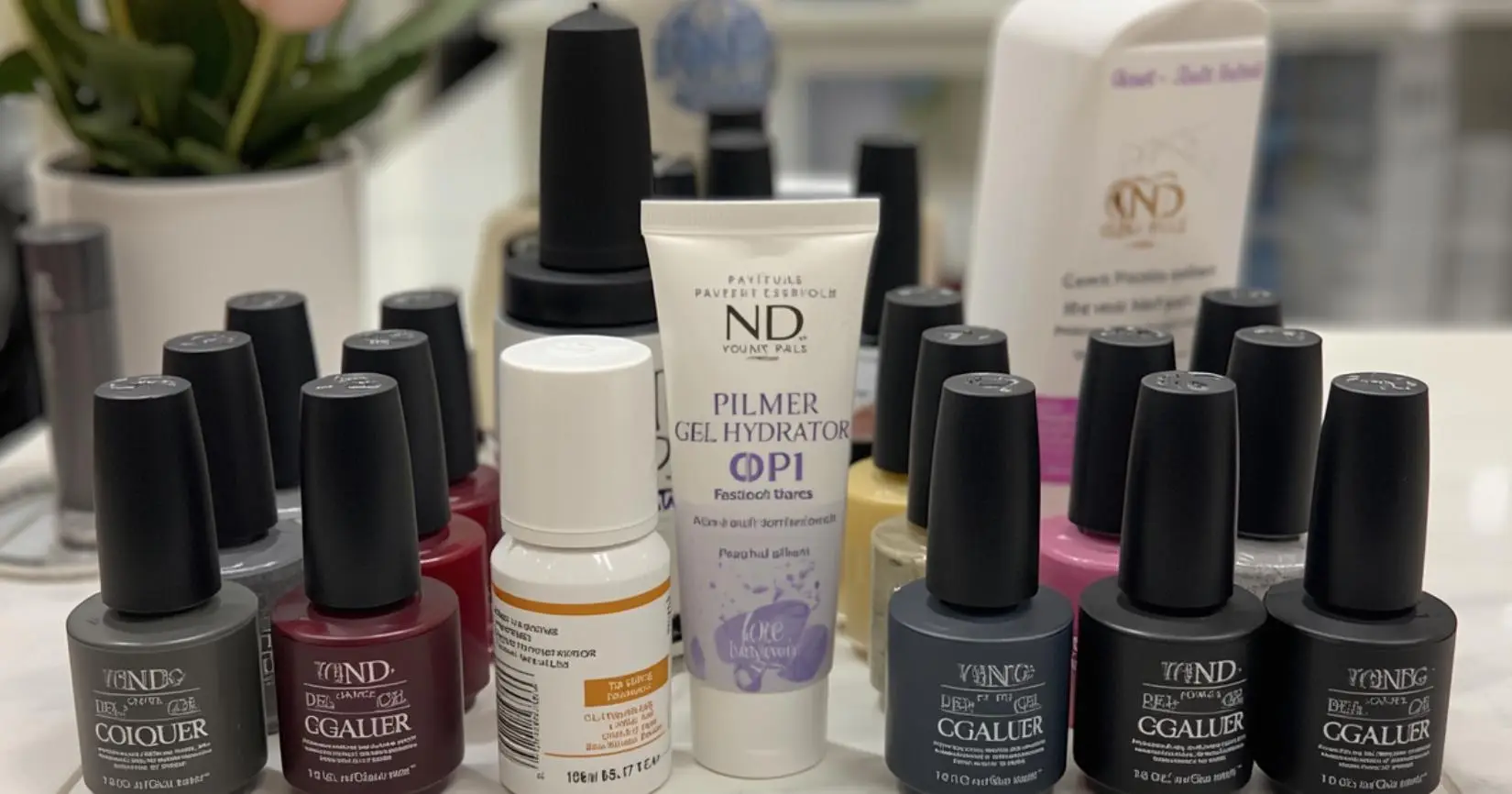
If your audit points to product issues, upgrade. The initial cost difference is small compared to the long-term ROI. Professional products from brands like CND Shellac or OPI consistently provide 2-3 week wear, which is actually cheaper per use when you factor in client retention.
Step 4 – Implement a Quality Checklist
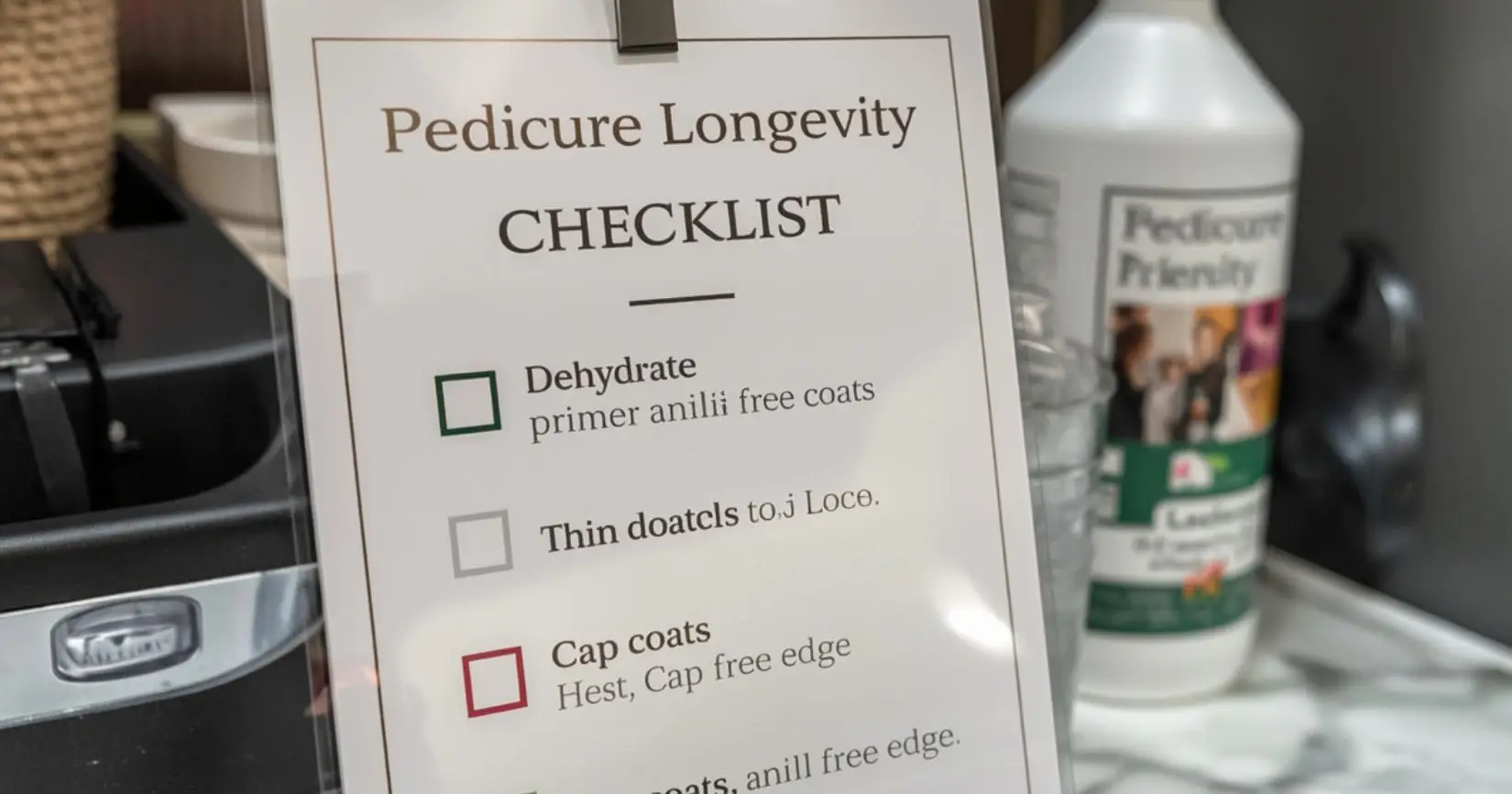
Standardization ensures consistency. Create a laminated "Pedicure Longevity Checklist" and place it at each station. This serves as a constant reminder for your technicians and reinforces training.
Pedicure Longevity Checklist:
- ✓ Clean, push back cuticles, and THOROUGHLY dehydrate nail plate.
- ✓ Apply primer/bonder (thin, even coat).
- ✓ Apply base, color, and top coats – cure for FULL recommended time each.
- ✓ CAP THE FREE EDGE with every layer.
Step 5 – Follow Up with Clients
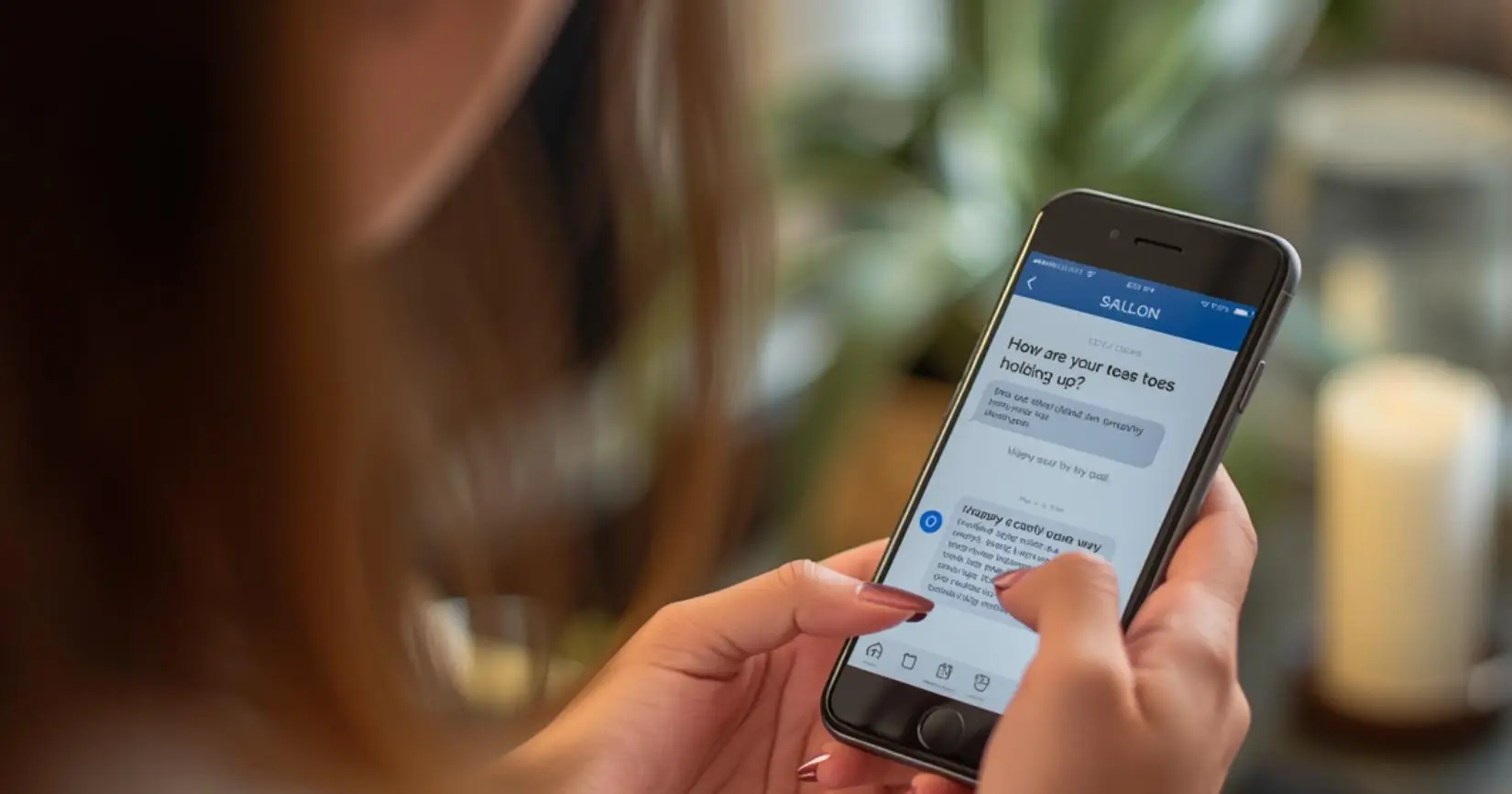
A proactive follow-up 5-7 days after the service shows you care and builds trust. A simple message can turn potential complaints into opportunities for improved service and ensures you are delivering a top-tier pedicure for Fayetteville GA residents.
Applying These Fixes to Different Salon Models in Fayetteville GA
The core principles of longevity apply to all salons, but your implementation strategy might vary depending on your price point and target demographic.
For High-End Salons near Trilith:
Your clients expect a luxurious experience and impeccable 3-week wear. Invest in premium brands and offer a “longevity guarantee” to build unparalleled trust.
For Mid-Range Salons near Fayetteville Pavilion:
Focus on consistency. Use reliable professional brands and ensure every technician adheres strictly to the longevity checklist.
For Budget Salons on Highway 85:
Budget-conscious clients still want durability. Upgrade your gel slightly and market it as "Budget-Friendly Longevity!" to foster incredible loyalty.
Estimated Cost to Fix Longevity Issues (And Your ROI)
| Item | Estimated Cost | Potential ROI |
|---|---|---|
| Professional LED Lamp | $150 - $300 | Ensures 2-3 week wear. |
| Quality Gel Polish | $200 - $300 | Reduces chipping complaints. |
| Dehydrator & Primer | $30 - $50 | Prevents lifting. |
| Total Investment | $480 - $850 | Recouped after 10-20 repeat clients. |
Frequently Asked Questions From Salon Owners
Q: How do I know if my lamp is working properly?
A: Use a radiometer to measure output. If it's below recommended levels, replace bulbs or the lamp itself.
Q: Can I mix different brands of gel?
A: It’s risky. Different systems are formulated to cure optimally within their own brand. Stick to one complete system.
Need a Hands-On Consultation for Your Fayetteville GA Salon?

If you’re tired of losing clients, I can help. I've personally done audits for salons in this area – watching technicians work and testing products.
Contact for ConsultationEditorial & Safety Note
This article is provided for general education and service-selection purposes. It is not medical advice, a diagnosis, or an official salon inspection report.
Salon hours, prices, staff, and sanitation practices can change. Please verify current details directly and review the Georgia State Board of Cosmetology and Barbers facility rules before choosing a service.
If you have diabetes, poor circulation, broken skin, redness, swelling, drainage, or persistent pain, consult a licensed healthcare professional before receiving a salon service. See the CDC foot-care guidance for people with diabetes.
Reviewed by: Chan & Bay Nail Spa Editorial Team. Information checked September 2026.