

Pedicure Gave Me Infection Fayetteville GA – A Step-by-Step Guide to Healing and Finding Safe Salons
Pedicure Gave Me Infection Fayetteville GA? Your Comprehensive Guide to Healing and Finding Safe Salons
Don't let a bad experience define your foot care journey. Learn to identify, treat, and prevent future infections in Fayetteville, GA.
Start Your Healing JourneyTwo Friends, Two Very Different Outcomes in Fayetteville, GA
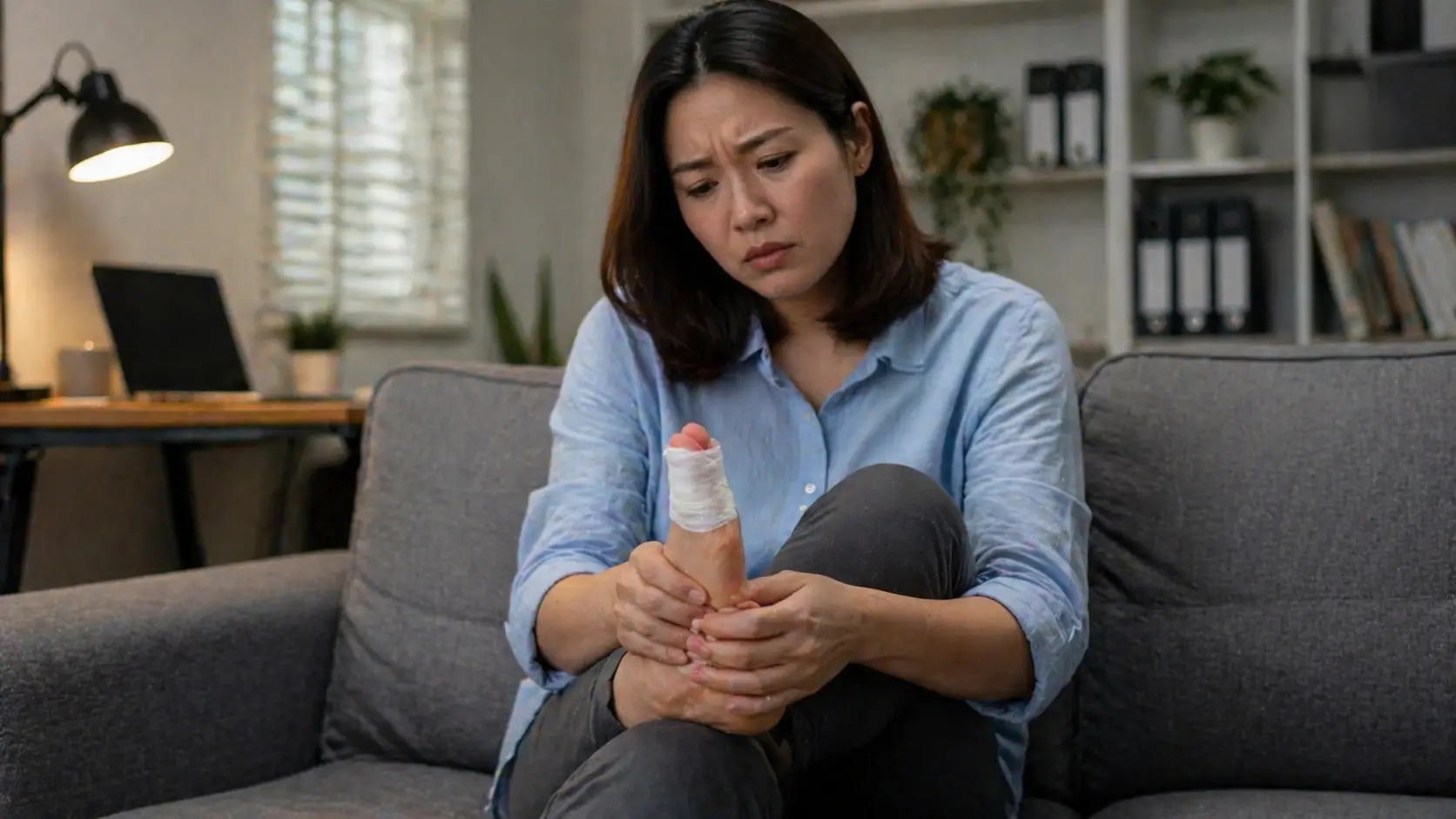
Megan: The Cost of Convenience
Meet Megan, a diligent project manager living in Fayetteville, GA (30214 zip code), often working near the bustling Fayetteville Pavilion. Her life is a race against the clock – always busy, incredibly practical, and frankly, she detests making a fuss. Last month, a "$25 pedicure special" at a new salon on Highway 85 seemed like a godsend for her tight schedule and budget. She noticed the technician using a metal file that wasn't sealed in a sterile pouch – a subtle red flag. Yet, in her rush and desire not to be "that customer," she remained silent.
Just three days later, her big toe screamed for attention: red, swollen, intensely painful, and oozing pus. Diagnosis: a bacterial infection. The "saving" from the special quickly evaporated, replaced by a $45 pharmacy bill for antibiotics and a week of discomfort, unable to wear her usual closed-toe work shoes. A minor oversight led to a significant setback, highlighting that sometimes, the lowest price comes with the highest hidden costs.
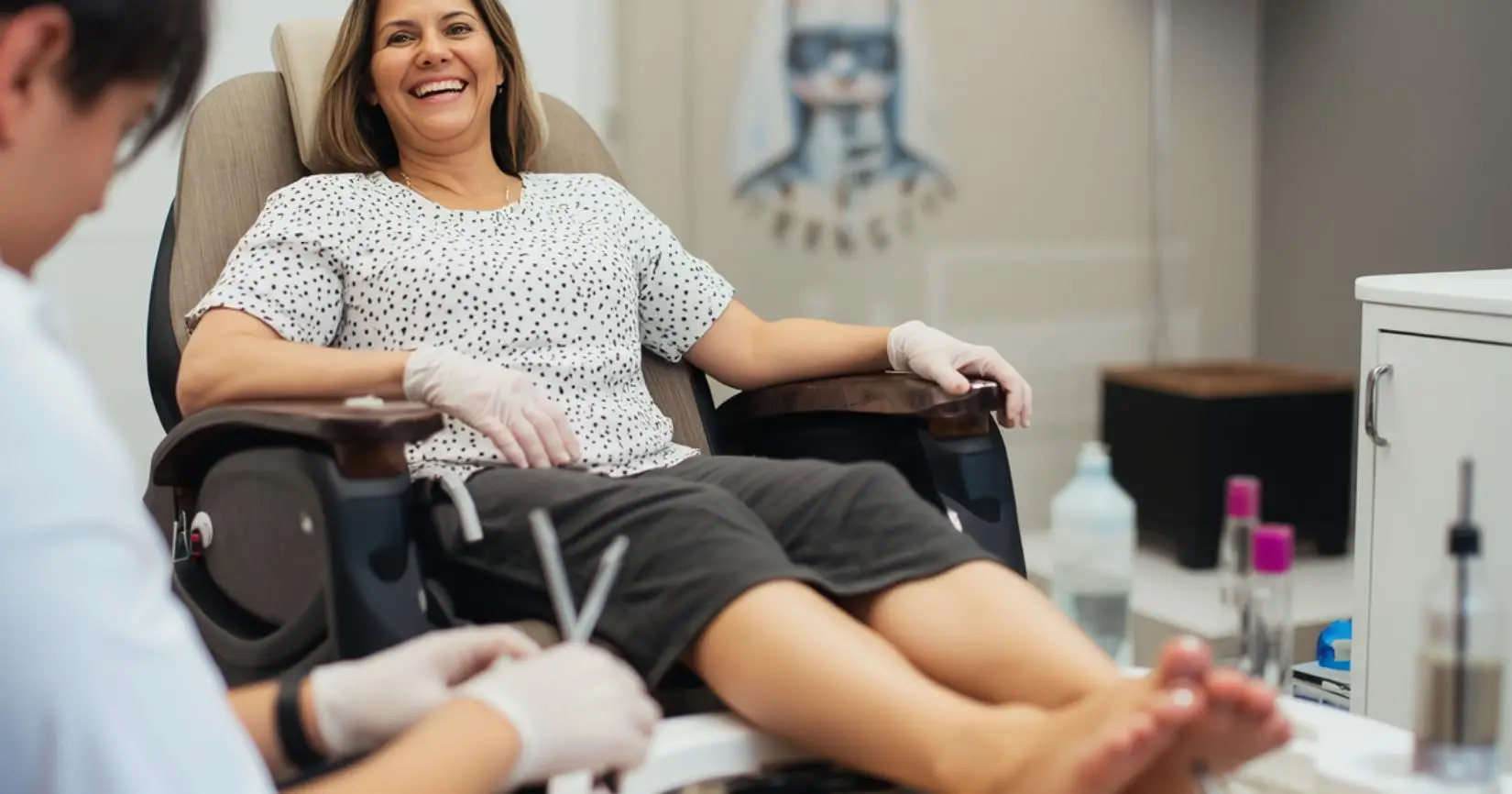
Lauren: The Value of Vigilance
Lauren, a dedicated teacher, shares the same Fayetteville, GA, postcode and the same busy lifestyle as Megan. However, her approach to personal care is markedly different; she prioritizes caution and informed choices. When she decided to treat herself to a pedicure, she opted for a well-regarded salon near Trilith. Before even settling into the chair, Lauren politely asked to see the salon's autoclave – the essential sterilization device. The technician, with a confident smile, happily obliged, demonstrating their commitment to hygiene.
Throughout her service, Lauren observed as all tools were meticulously opened from sterile, sealed pouches right in front of her. The result? A beautiful gel pedicure that lasted a full three weeks, completely free from any concerns of infection or discomfort. Her experience underscores a vital truth: in the same town, for the same service, a proactive approach to safety can lead to vastly different, and far more positive, outcomes.
If, like Megan, a pedicure gave you an infection in Fayetteville GA, please know you are not alone, and your concerns are absolutely valid. This isn't just an inconvenience; it's a serious health matter. This comprehensive, step-by-step guide will empower you with the knowledge to navigate this challenging situation – from recognizing warning signs and seeking appropriate care to confidently finding a safe pedicure experience in Fayetteville, GA for your next visit.
The Silent Threat: "I Thought It Was Just a Cut" – Diane's Journey

Diane, a client from near Piedmont Fayette Hospital.
I vividly recall a client named Diane, who resided near Piedmont Fayette Hospital. She sought my advice after enduring a particularly distressing experience at a budget-friendly salon. Her story began subtly, with a feeling of unease during her pedicure.
“I saw them use a file that looked old and worn,” she recounted, her voice still tinged with regret. “But I didn’t want to be rude or cause a scene. I just hoped for the best.”
Her hope was misplaced. A mere week later, a disquieting change occurred: her toenail began to yellow and thicken, developing a crumbly texture. Concerned, she visited her doctor, who delivered the unwelcome diagnosis: a tenacious fungal infection (onychomycosis). The prescribed treatment? A rigorous three-month course of oral medication.
Diane's infection, like many, started innocuously – perhaps a tiny, almost imperceptible cut near her cuticle, an entry point for opportunistic pathogens lurking on unsterilized tools. Because she initially dismissed it as "just a cut," the infection found fertile ground to spread rapidly underneath her nail plate. The profound lesson here is undeniable: any breach in the skin, however small, facilitated by contaminated tools, can quickly escalate into a full-blown infection. The swiftness of your response can significantly impact the severity and duration of the illness. Don't ignore the early signs – your health depends on it.
Step 1: Recognize Warning Signs – Do Not Self-Diagnose
Not all post-pedicure infections are created equal. Understanding the distinct characteristics of each type is crucial for effective treatment. Here’s a detailed guide to help you differentiate:
| Infection Type | Key Symptoms | Typical Cause & Risk Factors |
|---|---|---|
| Bacterial (Cellulitis/Abscess) | Rapidly spreading redness, intense warmth to the touch, significant swelling, severe pain, sometimes pus discharge, fever, chills, and red streaks extending up the leg (lymphangitis) indicating a systemic spread. | Often caused by bacteria like Staphylococcus or Streptococcus entering through cuts from unsterilized nippers, clippers, or files. Cross-contamination from dirty foot baths or re-used instruments is common. |
| Fungal (Onychomycosis) | Gradual thickening and discoloration of the nail (yellow, brown, white), brittleness, crumbly texture, distortion of nail shape, and sometimes a foul odor. It usually starts subtly and worsens over weeks or months. | Caused by dermatophytes, yeasts, or molds. Common culprits include reused nail files, buffers, or uncleaned foot basins that harbor fungal spores. Moist, warm environments promote growth. |
| Viral (Plantar Warts) | Small, rough, grainy growths on the soles of the feet, often resembling a cauliflower or having tiny black dots (clotted blood vessels) at the center. They can be painful, especially when walking or standing. | Caused by the Human Papillomavirus (HPV) that enters through small cuts or breaks in the skin. Shared foot files, pumice stones, or walking barefoot in contaminated salon areas (like changing rooms or non-sanitized floors) are prime transmission routes. |
| Paronychia (Acute/Chronic) | Redness, swelling, tenderness, and sometimes pus formation around the nail fold (the skin border around the nail). Acute paronychia develops rapidly, while chronic is more persistent and often linked to repeated water exposure. | Bacteria (e.g., Staph aureus) or fungi entering through a damaged cuticle, often from aggressive pushing back or cutting of the cuticle during a pedicure. Can also be caused by excessive soaking or exposure to irritants. |
What to Do Immediately: Prioritizing Your Health
- Seek Emergency Care for Serious Signs: If you observe red streaks spreading rapidly from the infected toe up your foot or leg, experience a fever, chills, or severe throbbing pain, do not delay. These are indicators of a potentially serious, systemic infection (cellulitis or even sepsis). Go directly to urgent care or the Emergency Room at Piedmont Fayette Hospital without hesitation.
- Consult Your Doctor for Localized Symptoms: For less severe symptoms like localized redness, swelling, and mild pain without systemic signs, contact your primary care physician promptly. Alternatively, visit an urgent care clinic near Fayetteville Pavilion. Early medical assessment is key to preventing escalation.
Step 2: Pause Salon Services and Seek Medical Advice
Do not try to diagnose or treat a suspected infection based on an online article. A licensed healthcare professional can determine the cause and recommend appropriate care.
- Avoid additional salon services on broken, painful, swollen, or draining skin.
- Seek prompt medical advice for worsening redness, swelling, warmth, drainage, fever, red streaks, or significant pain.
- If you have diabetes, poor circulation, neuropathy, or a weakened immune system, contact your healthcare professional promptly about any foot wound or change.
- Follow the treatment plan provided by your licensed healthcare professional.
Step 3: Document Everything – Your Evidence Trail
If you are reasonably certain your infection originated from a specific nail salon, meticulous documentation is your best friend. This detailed record serves multiple purposes: from informing others to supporting potential reports or even legal action.
Key Documentation Elements:
- Photos with Timestamps: This is arguably the most vital piece of evidence. Take clear, well-lit photos of your infected toe/foot daily, or at least every other day, showing the progression or regression of the infection. Use a smartphone app that overlays a date and time stamp directly onto the photo, or simply place a piece of paper with the date next to your foot in the picture. Document from different angles.
- Salon Receipts & Proof of Visit: Keep your credit card statement or cash receipt from the salon. If you paid cash and have no physical receipt, meticulously write down the exact date, time, approximate amount paid, and the specific services you received. If you booked online, save any confirmation emails or texts.
- Comprehensive Medical Records: Collect and retain all doctor's notes, diagnosis statements, laboratory test results (e.g., cultures), prescription receipts, and bills related to your treatment. This proves the diagnosis, treatment received, and the financial burden incurred.
- Detailed Timeline: Create a chronological narrative. Note the exact date and time you visited the salon, the technician's name (if known), specific observations (e.g., unsealed tools, dirty foot bath), when symptoms first appeared, when they worsened, and every instance you sought medical attention.
Why This Documentation Matters:
- Informing Other Consumers: A factual, well-supported Google or Yelp review can be a powerful tool to warn potential clients in Fayetteville, GA. Your documented facts lend credibility to your experience.
- Legal Recourse (Rare but Possible): While uncommon due to high legal costs and difficulty in proving direct causation, robust documentation is essential if you ever consider pursuing legal action for medical costs, especially if the salon exhibited gross negligence (e.g., consistent reuse of non-sterilized tools).
- Regulatory Investigation: Should multiple similar complaints be filed against the same salon with the Georgia Board of Cosmetology and Barbers, your detailed documentation can significantly strengthen their investigation, potentially leading to inspections and corrective actions.
- Personal Empowerment: Having a clear record helps you communicate effectively with medical professionals and regulatory bodies, reducing stress and ensuring you don't miss any critical details.
Think of your documentation as telling a clear, evidence-based story of what happened, when it happened, and its impact on you.
Step 4: Report the Salon – Protecting Others in Fayetteville, GA
Reporting a problematic salon is a personal choice, but it’s a civic act that can prevent others in the Fayetteville, GA community from suffering similar infections. You’re not just complaining; you're contributing to public health and safety.
Official Regulatory Channels:
- Georgia Board of Cosmetology and Barbers: This is the primary regulatory body for nail salons in Georgia. They have the authority to investigate complaints regarding sterilization practices, sanitation, and licensing.
- How to File: Visit the official website of the Georgia Secretary of State and search for "Georgia Board of Cosmetology and Barbers complaint form" or "cosmetology complaint." The process is typically online and requires you to provide details of your experience, including dates, salon name, and your supporting documentation.
- What They Do: They can initiate inspections, issue citations, impose fines, or even suspend/revoke licenses if serious violations are found. Your report helps them enforce state regulations designed to protect consumers.
- Fayette County Environmental Health Department: For severe infections, particularly those involving communicable diseases or significant public health risks, the local health department may also become involved. They focus on broader public health and sanitation concerns.
- How to File: Contact the Fayette County Environmental Health office directly. You can usually find their contact information on the Fayette County government website.
- What They Do: They assess health risks and can mandate corrective actions related to general sanitation within establishments.
Public Review Platforms:
- Google Maps / Yelp / Facebook: These platforms are powerful for direct consumer-to-consumer warnings.
- Crafting Your Review: Focus on being factual, calm, and objective. Avoid emotional language, threats, or accusations that could be perceived as libelous. Stick to verifiable facts.
- Example Review: "I developed a bacterial infection after my pedicure at [Salon Name] on [Date]. During my service, I did not observe the use of sealed, sterile tools. Please exercise caution and verify their sterilization practices before your visit."
- Impact: Factual reviews, especially those accompanied by photos (if you choose to share them publicly), can quickly alert other potential customers and often prompt salons to improve their standards.

By choosing to report, you become an advocate for safer practices within the beauty industry, potentially saving countless others from similar painful and costly experiences.
Step 5: Finding a Safe Salon for Future Pedicures in Fayetteville, GA – Reclaim Your Confidence
After enduring an infection, the thought of another pedicure can fill you with dread. That's a completely natural reaction. However, you don't have to abandon the joy of pampered feet. The key is to become an empowered, informed consumer, ready to discern a truly safe and hygienic salon from one that cuts corners. This isn't about fear; it's about smart choices.
Your Essential Pre-Pedicure Safety Checklist:
1. Demand to See the Autoclave:
This is non-negotiable. An autoclave is the gold standard for sterilizing metal tools with heat and pressure, killing all bacteria, viruses, and fungi. If a salon doesn't have one, or can't show you a recent spore test certificate (proving it's working), walk out. Chemical disinfectants are not sufficient for porous items or bloodborne pathogens.
2. Observe Sealed Tool Pouches:
All metal instruments (nippers, pushers, clippers) should be stored in individually sealed, transparent pouches that are opened directly in front of you. This ensures they maintain sterility from the autoclave to your service. If tools are pulled from a drawer, jar of blue liquid, or already open, it's a major red flag.
3. Inspect the Foot Basin:
Look for any signs of grime, black residue, or pinkish biofilm buildup, especially around the jets. Jetless pedicure tubs (pipe-less) are generally considered the safest because they eliminate the hard-to-clean internal pipes where bacteria thrive. Ask how they sanitize their tubs between clients – a thorough cleaning and disinfection protocol should be visible or clearly explained.
4. Technician Wears Fresh Gloves:
Your technician should put on a fresh pair of disposable gloves *before* touching your feet and hands. These gloves should be changed between clients. This prevents cross-contamination. If they touch money, their phone, or other non-sanitized surfaces, they should change gloves again.
5. Read Recent Online Reviews:
Before visiting, search Google, Yelp, and Facebook for reviews of salons in Fayetteville, GA. Pay close attention to keywords like "clean," "sterile," "autoclave," "hygiene," or "infection." Positive mentions of cleanliness are good signs, while any negative mention of cleanliness should be a warning.
6. One-Time Use Items:
Emery boards, buffers, toe separators, and pumice stones should always be single-use and either given to you to take home or disposed of immediately after your service. If they are reused, it's a major hygiene violation.
Recommended Safe Areas for Pedicures in Fayetteville, GA:
Near Trilith: This area tends to host several high-end, boutique salons that often invest significantly in advanced hygiene protocols, including autoclaves and thorough sanitation practices. They typically cater to a discerning clientele who expect premium cleanliness.
Near Piedmont Fayette Hospital: You'll find a few medical-focused salons or medi-spas here. These establishments often have a stronger emphasis on health and sterility, sometimes employing certified medical nail technicians. They are an excellent choice for individuals with specific health concerns.
Fayetteville Pavilion: This is a mixed bag. Some salons here are highly reputable and maintain excellent hygiene, while others may prioritize volume over strict sanitation. Due diligence is crucial here: always ask your questions and observe carefully before committing. Our establishment prioritizes your safety; learn more about how we ensure a clean pedicure in Fayetteville, GA.
Highway 85: This corridor, unfortunately, is often home to many budget-focused salons. While not all are bad, this area generally carries a higher risk due to intense price competition, which can sometimes lead to compromised hygiene practices. Avoid unless you have personally visited, inspected, and verified their adherence to strict sanitation protocols.
Your health is invaluable. Don't be afraid to ask questions and observe. A truly professional salon will welcome your inquiries and be transparent about their hygiene standards. Prioritizing cleanliness is not an inconvenience; it's a necessity for a truly relaxing and safe pedicure.
Step 6: Elevate Your Foot Care – The Benefits of Medical Pedicures

For certain individuals, a standard cosmetic pedicure simply doesn't offer the necessary level of care and safety. If you live in Fayetteville, GA and have underlying health conditions or ongoing foot issues, it's time to consider the superior option: a medical pedicure, often referred to as a "medi-pedi."
Who Benefits Most from a Medical Pedicure?
- Diabetics: Diabetic feet are highly susceptible to infections and nerve damage. Medical pedicures ensure meticulous care, minimizing any risk of cuts or trauma that could lead to severe complications.
- Individuals with Poor Circulation: Compromised circulation means slower healing and increased infection risk. Medi-pedis prioritize gentleness and sterile techniques.
- Those with Repeated Infections: If you've had recurrent fungal, bacterial, or viral infections, a medical pedicure environment significantly reduces re-exposure risks.
- People with Compromised Immune Systems: For anyone with a weakened immune response, infection prevention is paramount.
- Thickened or Ingrown Nails: Medical pedicurists are trained to safely address these issues without causing trauma.
What Makes a Medical Pedicure Different?
- Performed by Specialists: Typically carried out by trained foot care nurses, podiatry assistants, or certified medical nail technicians (CMNTs) who have advanced training in foot pathology and sterile practices.
- Strict Sterilization: Only hospital-grade, sterile, single-use, or autoclaved tools are used, and they are often opened from sealed pouches right in front of you.
- No Soaking in Tubs: To eliminate the risk of cross-contamination from communal foot baths, medical pedicures usually involve waterless techniques or individual sanitized basins for brief cleansing.
- Focus on Foot Health: Beyond aesthetics, the primary goal is the health of your feet and nails. This includes thorough cleaning, safe reduction of calluses, careful nail trimming, and addressing minor issues safely.
In Fayetteville, GA, medical pedicures typically range from $70–$100. While a higher investment than a standard pedicure, the peace of mind and significantly reduced health risks make it an invaluable choice for high-risk individuals. It's an investment in your long-term foot health and overall well-being.
Applying This Guide to Your Unique Situation in Fayetteville, GA
Understanding the general steps is important, but how does this apply to your specific life context? Here's tailored advice for different demographics:
If You're a Nurse or Healthcare Worker:
You, more than anyone, comprehend the grave severity of infections and their potential to spread, especially in vulnerable populations. Do not hesitate; seek medical attention immediately. Beyond your personal health, consider the ethical responsibility: reporting the salon protects your patients and the wider community. Your swift action could prevent a patient with a compromised immune system from encountering the same fate, highlighting the profound impact of infection control.
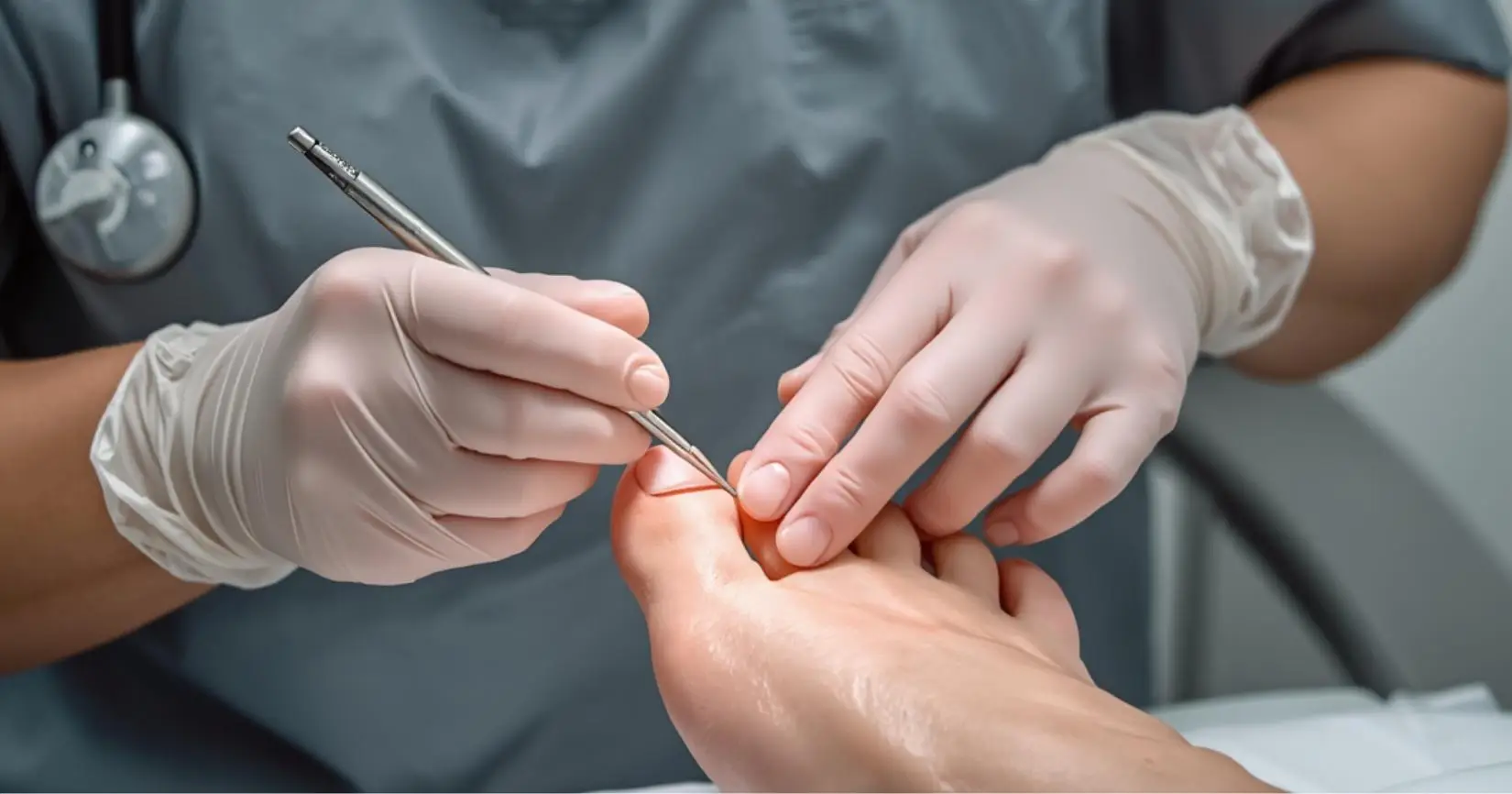
If You're a Mom with Young Kids:
Your time is a precious commodity, and a lengthy recovery from a pedicure infection is simply not an option. Go to urgent care right away. Ask for the most effective treatment – topical antibiotics for mild cases, oral if it shows any sign of spreading. And for your next indulgence, understand that your time, energy, and health are invaluable. Invest the extra cost for a salon renowned for its impeccable cleanliness. It's not a luxury; it's a wise decision for your well-being and your family's peace of mind.

If You're a Senior (60+):
As we gracefully age, our bodies' ability to heal and fight off infections naturally slows. What might be a minor issue for a younger person can quickly escalate into a more serious problem for seniors. Do not adopt a "wait and see" approach. See a doctor on the very same day symptoms appear. Moreover, strongly consider exclusively switching to medical pedicures. Their emphasis on sterile environments and specialized care is specifically designed to mitigate risks for seniors and those with circulatory issues, providing peace of mind and enhanced safety.

The True Cost: Estimated Expenses of a Pedicure Infection
Many are tempted by cheap pedicure deals, but few consider the potential financial (and personal) aftermath of an infection. Here's a realistic breakdown of what a "bargain" pedicure can truly cost you in Fayetteville, GA:
| Treatment/Item | Estimated Cost Range | Notes & Impact |
|---|---|---|
| Urgent Care Visit | $100–$200 (without insurance) | $25–$50 (with insurance copay) | Initial diagnosis and prescription. Essential for early intervention. |
| Antibiotic Cream/Ointment | $10–$30 | Over-the-counter or prescription. |
| Oral Antibiotics | $15–$50 (with insurance) | $50-$150+ (without insurance) | Course duration typically 7-14 days. |
| Antifungal Pills (3-6 months) | $100–$300+ | Often not fully covered by insurance due to cosmetic nature. Can have liver-related side effects requiring monitoring. |
| Toenail Fungus Laser Treatment | $500–$1500 per session (multiple sessions often needed) | A more aggressive treatment, almost never covered by insurance. |
| Dermatologist Visit (for warts) | $75–$250 (copay or full cost) | For diagnosis and treatments like cryotherapy or stronger salicylic acid. |
| Lost Wages / Productivity | Varies greatly | Time off work for doctor's appointments, recovery, or inability to perform duties due to pain/discomfort. |
| Pain, Inconvenience & Stress | Immeasurable | The psychological toll of dealing with an infection, restricted activities, and fear of recurrence. |
Total Potential Cost: $50 to $1,500+ (and often much higher for severe or prolonged cases), not including the immeasurable cost of pain, stress, and lost time.
Now, compare that sobering figure to paying an extra $15, $20, or even $30 for a thoroughly clean, reputable salon that prioritizes your health and uses proper sterilization. The math isn't just clear; it's a stark reminder: investing in safety is always the more economical choice in the long run. Your health is not an area to compromise on.
Frequently Asked Questions About Pedicure Infections in Fayetteville, GA
Q: How soon after a pedicure would an infection typically appear?
A: The incubation period varies by pathogen:
- Bacterial infections (like cellulitis or paronychia): Symptoms usually manifest rapidly, often within 1 to 3 days post-pedicure.
- Fungal infections (onychomycosis): These develop much slower. You might notice initial changes within 1 to 3 weeks, but full symptoms like thickening and discoloration can take months to become prominent.
- Viral warts (plantar warts): These have the longest incubation period, potentially taking weeks to several months to appear after exposure to the virus.
Q: Can I sue the salon for giving me an infection?
A: Potentially, yes, but it’s a complex and often costly endeavor. You would need to demonstrate clear negligence on the salon's part (e.g., provable lack of an autoclave, documented reuse of unsanitized tools) and a direct causal link between their actions and your infection. Legal fees can be substantial, and proving direct causation can be challenging. Most individuals find it more effective and less stressful to report the salon through official channels and leave a factual online review to warn others.
Q: Should I go back to the same salon to complain in person?
A: No, it is generally not recommended to confront the salon in person. This can lead to uncomfortable or even hostile situations and rarely yields a satisfactory resolution. It is far more effective and safer to report your experience through official regulatory channels (like the Georgia Board of Cosmetology and Barbers) and to leave a factual, calm, and objective online review, as detailed in Step 4.
Q: Can I still wear nail polish while treating an infection?
A: For the vast majority of foot and nail infections, the answer is a definitive NO. Nail polish can trap moisture, create an anaerobic (oxygen-free) environment that allows certain bacteria and fungi to thrive, and prevent topical medications from reaching the infected area. It's crucial to let the nail and surrounding skin breathe freely during treatment to facilitate healing.
Q: How do I know if my infection is healing?
A: You should observe a steady improvement in symptoms:
- Reduced Redness and Swelling: The inflammation around the infected area should visibly decrease.
- Decreased Pain: The tenderness and discomfort should lessen significantly.
- No New Pus: If there was pus, new discharge should cease.
- Resolution of Streaks: If you had red streaks, they should fade and disappear.
- Healthy Nail Growth: For fungal infections, you'll see clear, healthy nail growing from the base.
Q: Is there a salon in Fayetteville, GA, that specifically focuses on nail health and safety?
A: Absolutely. While this guide aims to empower you to find safe options independently, some establishments like Chan Bay Nail Spa prioritize stringent hygiene protocols, including autoclaved tools and meticulous sanitation, ensuring a genuinely safe and rejuvenating pedicure.
Need a Specific Recommendation for a Clean Salon After an Infection?
Experiencing a pedicure infection can leave you feeling hesitant and even fearful about trusting another salon. I completely understand this apprehension. My goal is to help you restore your confidence in receiving safe foot care.
I've personally visited and rigorously vetted several nail salons in Fayetteville, GA, specifically looking for those that consistently adhere to the highest standards of hygiene, including mandatory autoclave use and strictly single-use tools.
To provide you with the most suitable, honest recommendation, please consider what's most important to you:
- Your location/work area: Are you looking for a salon near Trilith, Fayetteville Pavilion, Piedmont, or closer to Highway 85?
- Your budget: Are you comfortable with a basic pedicure ($40-50) or willing to invest in a medical-grade service ($70+ for enhanced safety)?
- Any ongoing foot health issues: Do you have diabetes, thick nails, circulation problems, or a history of infections?
Based on your specific needs, I can guide you towards a salon that I have confirmed upholds exemplary cleanliness. These are not sponsored lists; just honest, experience-based advice aimed at preventing further infections.
Discover a Truly Safe Pedicure ExperienceYour well-being is our top priority.
Editorial & Safety Note
This article is provided for general education and service-selection purposes. It is not medical advice, a diagnosis, or an official salon inspection report.
Salon hours, prices, staff, and sanitation practices can change. Please verify current details directly and review the Georgia State Board of Cosmetology and Barbers facility rules before choosing a service.
If you have diabetes, poor circulation, broken skin, redness, swelling, drainage, or persistent pain, consult a licensed healthcare professional before receiving a salon service. See the CDC foot-care guidance for people with diabetes.
Reviewed by: Chan & Bay Nail Spa Editorial Team. Information checked September 2026.